News
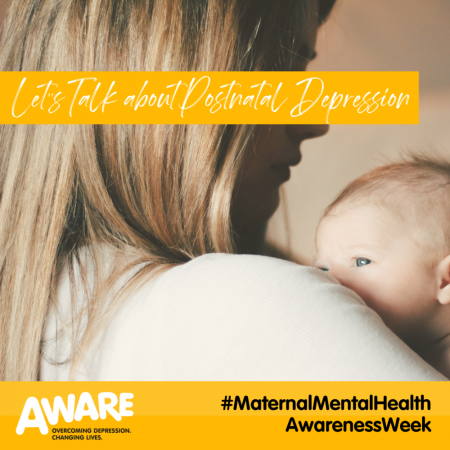
Let’s talk about postnatal depression – Maternal Mental Health Awareness Week 2022
Having a baby is supposed to be one of the most exciting experiences in life, but reality can often feel different from your expectations. Going through pregnancy, birth and caring for a newborn can leave you feeling anxious and exhausted.
Almost every mother experiences these feelings, but sometimes it can also be a sign of postnatal depression.
Postnatal depression affects between 1 in 10 women within a year of giving birth. Dads can also be affected by postnatal depression, with the peak time for men commonly being around 3-6 months after birth.
Although postnatal depression is relatively common, many parents often go undiagnosed as the symptoms can look like the everyday stresses of having a newborn baby.
To mark Maternal Mental Health Awareness Week, we wanted to raise awareness about postnatal depression, how to recognise the signs and symptoms, and what help is available for parents.
What are the ‘Baby Blues’?
The 'Baby Blues' can affect about 85% of new mothers. They usually start around the third day after childbirth and last for a few days to two weeks after birth. Baby Blues are characterised by mood swings and irritability and are generally attributed to hormonal changes and tiredness.
Many people affected by PND don't seek help as they believe that their feelings result from sleep loss and coping with the demands of a new baby. However, postnatal depression is a more serious and long-lasting condition than the baby blues, and it can have a significant impact on you, your baby, and your family.
What are the signs and symptoms of postnatal depression?
Knowing the signs and symptoms of mental ill-health during pregnancy & parenthood will enable you to access the right support.
Signs that you or someone you know might be depressed include:
Thoughts & Feelings
- a persistent feeling of sadness and low mood
- feeling anxious, hopeless and despairing
- negative thoughts and feeling like you aren’t able to cope
- lack of enjoyment and loss of interest in the wider world
- feelings of restlessness and irritability
- lack of confidence and self-esteem
- thinking that you are not a good parent, or feeling guilty
- having thoughts of harming yourself (including suicidal thoughts)
Physical Symptoms & Behaviour
- trouble sleeping at night and feeling sleepy during the day
- problems concentrating and making decisions
- lack of energy and feeling tired all the time
- avoiding other people and feeling isolated from family and friends
- changes in your appetite – eating too little or eating too much
- aches and pains, headaches and being more vulnerable to infections
- difficulty bonding with your baby
Postnatal depression can start at any time in the first year after giving birth. It is important to seek help if you are concerned that you are experiencing depression. With the right support, most people make a full recovery.
What help is available
The help and treatment you need will depend on how severe your postnatal depression is and how it affects you. Your GP, midwife and health visitor can help you decide what kind of help you need. Talking therapy, such as cognitive behavioural therapy (CBT), and medication such as antidepressants are treatment options for postnatal depression.
AWARE also offers Mood Matters Parent & Baby workshops to new and expectant parents as an introduction to mental health in parenthood and how to look after the mental health of both the parent and the child. You can find out more about the programme at www.aware-ni.org/mood-matters-parent-and-baby
Self-care tips from AWARE
- You might have expectations for yourself as a parent, but none of us can meet all of our expectations all the time. Don’t beat yourself over things you cannot control, and be kind to yourself!
- Eat a good, balanced diet – eat well and regularly even if you don’t feel like it!
- Make up for lost sleep – take every opportunity to get some sleep and rest when possible.
- Ask for help for nighttime feeds if you can, and try to rest when your baby is sleeping.
- Stay active – ask your health visitor if there are any mother and baby exercise classes near you; walks can help!
- Reduce your alcohol intake, and it is best to avoid it entirely if you are pregnant or breastfeeding, as it can cause harm to your baby.
